Before We Talk About Climate, Talk About What People Love
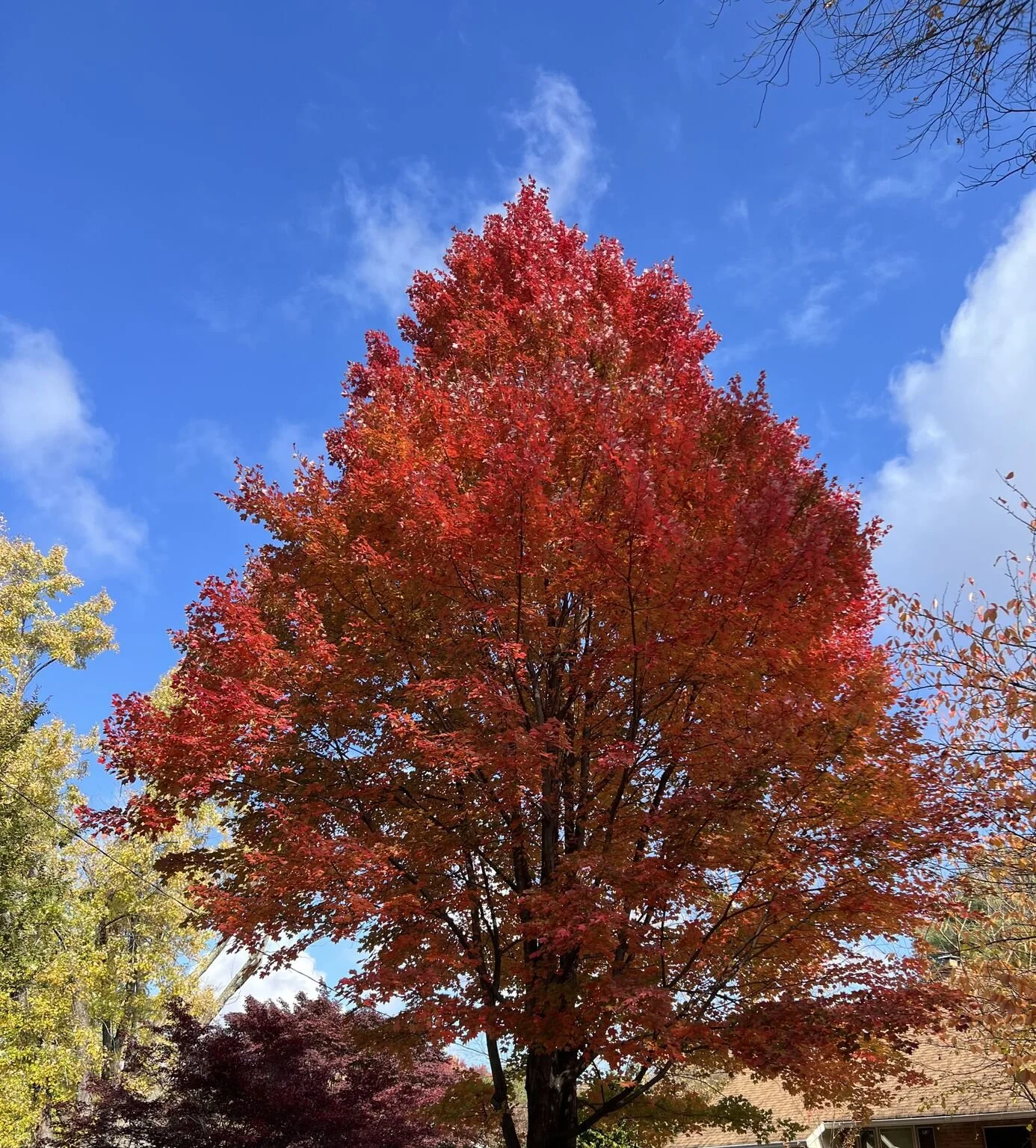
Let’s talk about trees. Kids climb trees, instinctively. Kids love jumping in piles of leaves. Adults are wowed by leaves falling to the ground in autumn. Everyone knows what a tree is, without any explanation. People have relationships with trees.
In addressing the climate challenge, this gives trees unique standing.
Humor me for a moment. Close your eyes and imagine a tree. I bet as soon as you did that, your brain constructed an image—and probably began to tell you the story of a tree. Now try that with methane, the most potent greenhouse gas.
The difference in those two experiences offers a vital clue to what is and is not happening in the global conversation on climate. Mostly, we’ve been telling people how important climate is—the risks and dangers, the temperature limits, oceans warming, the crisis.
Rather than starting with climate, why not listen to what people already care about and then help link that to climate? That way, we do the work of reaching out to where people already are rather than asking them to do the work and come to our issue.
Trees and forests are a great example. They’re major carbon sinks, providing an enormous array of ecosystem services, from providing shade to limiting soil erosion.
People love trees for everything from hunting to forest bathing. They’re local and global, visible and recognizable, and beloved across the political spectrum. They can be a destination, a livelihood, a source of beauty, or a part of our memories. They matter to people for reasons that often have little to do with climate.
The Multi-Sensory Climate Center has recently initiated a project to map the emotions that connect people, climate, and trees. (For now, the focus is Maine and Minnesota.) Just imagine all the other issues people care about that could be entry points for a conversation about climate. Christopher Moscardi and his team at EPIC have it right in emphasizing that it’s our job to make climate change “relevant to people in their everyday lives.” Earth Public Information Collaborative
If it’s not seen as relevant—but either as hoax or hopeless—why should people engage?
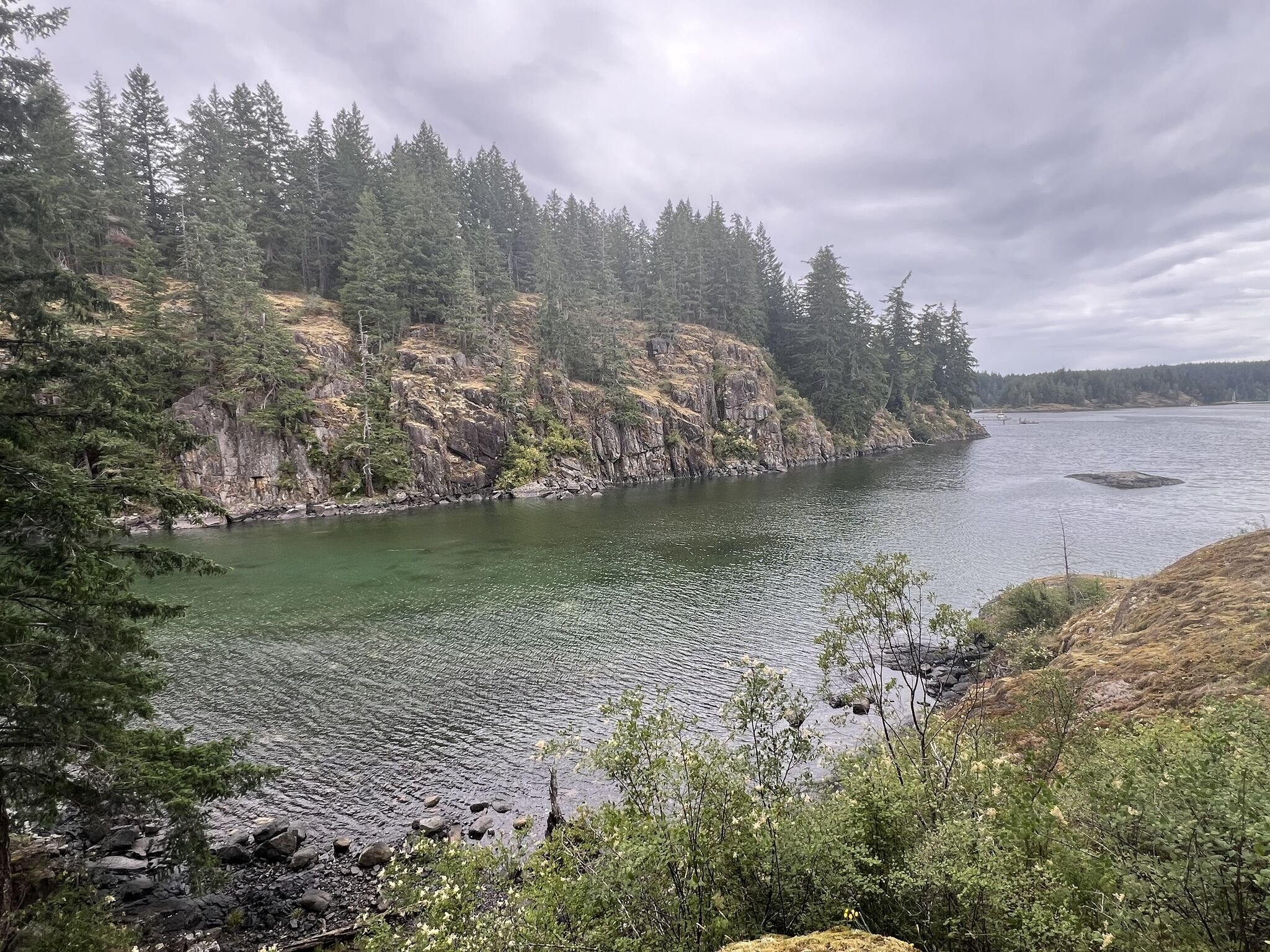
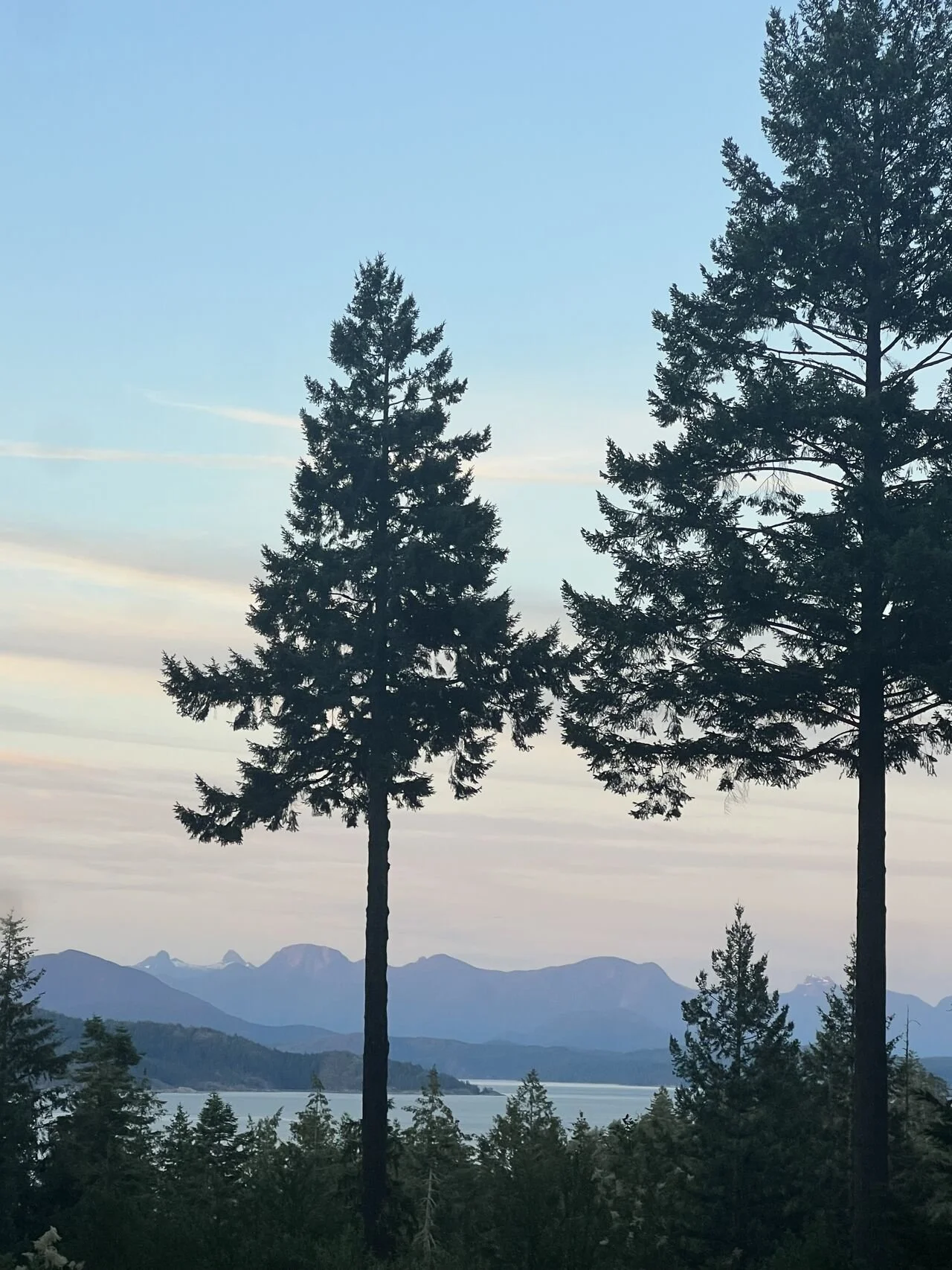
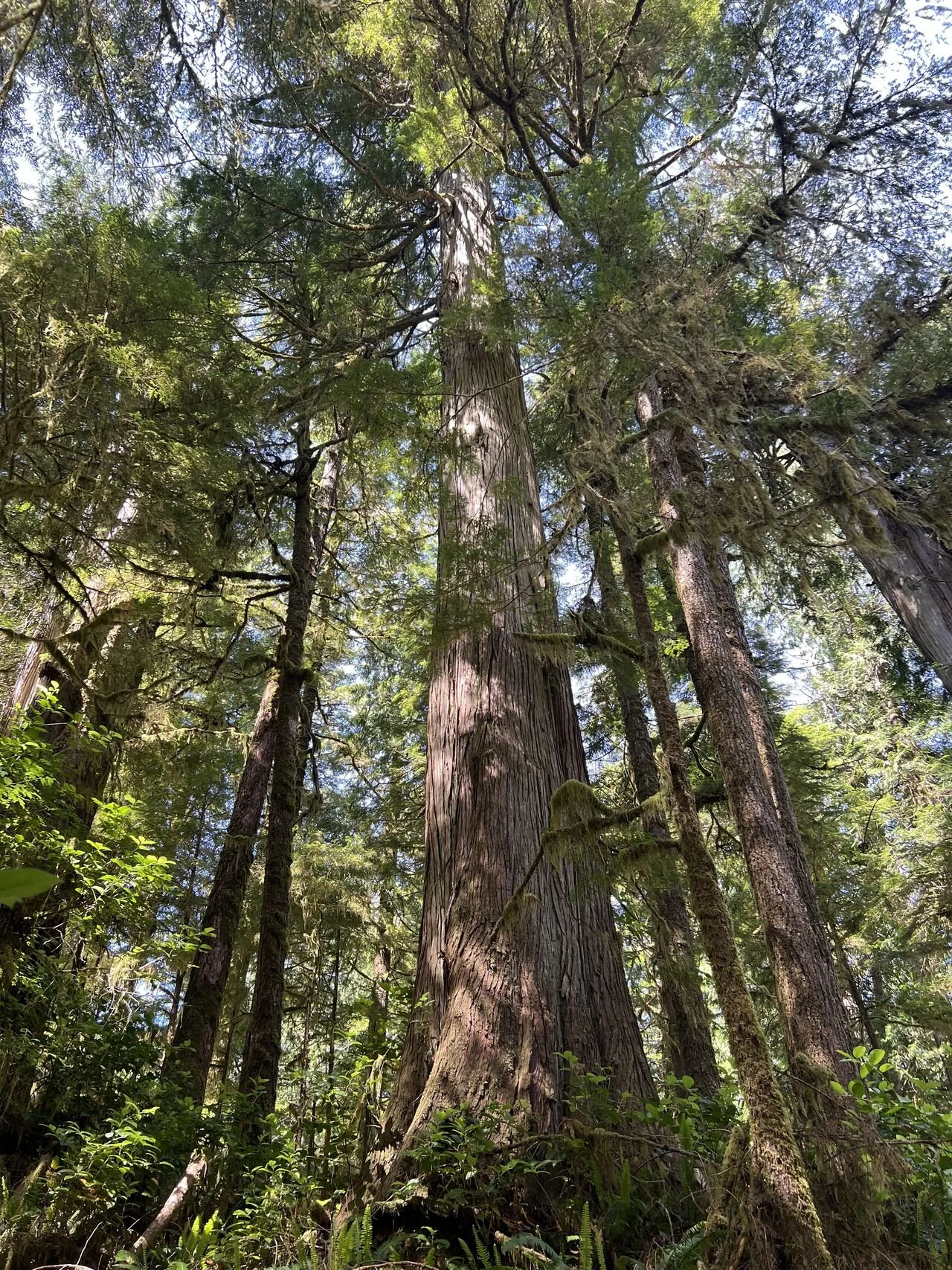
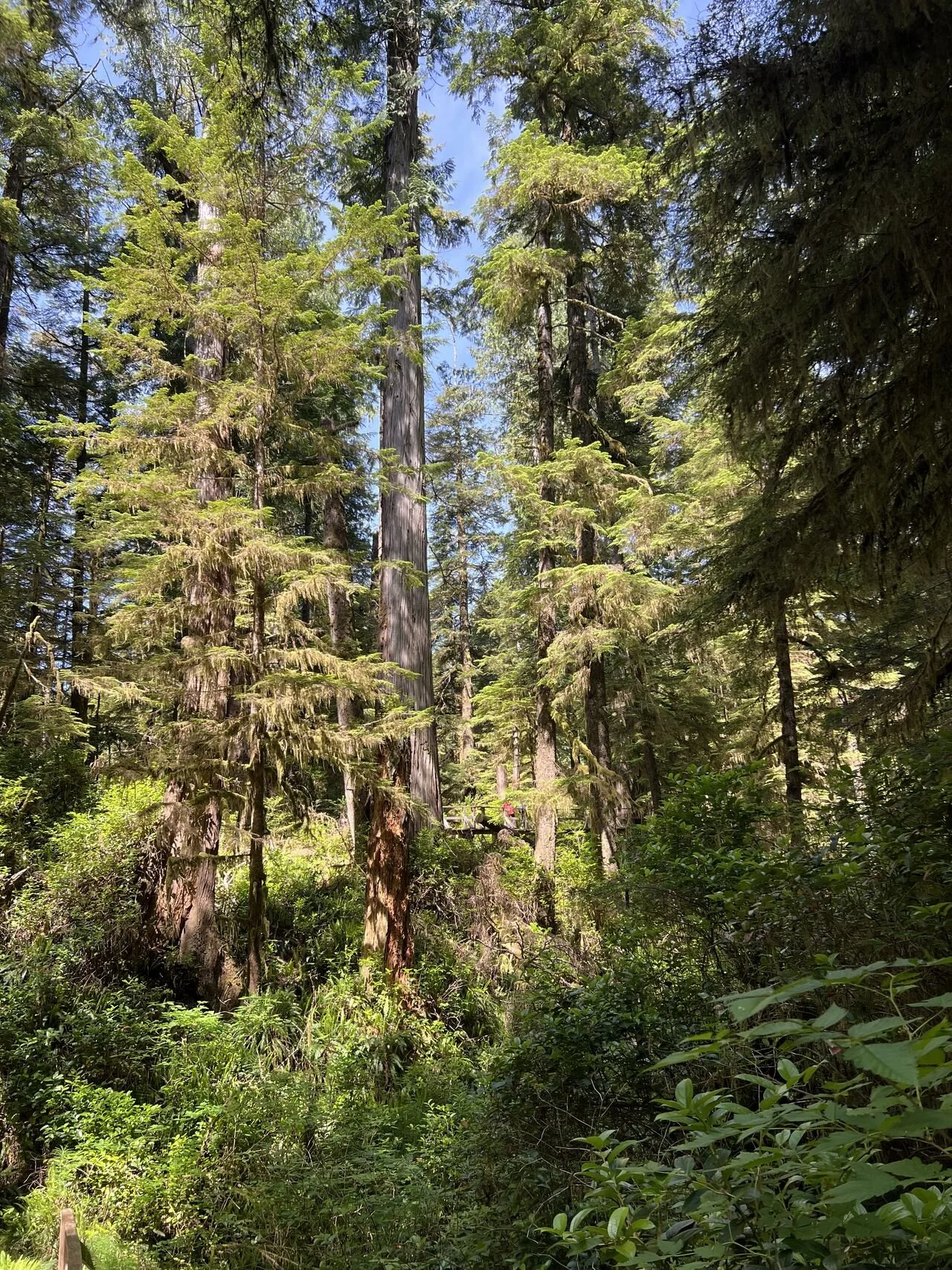
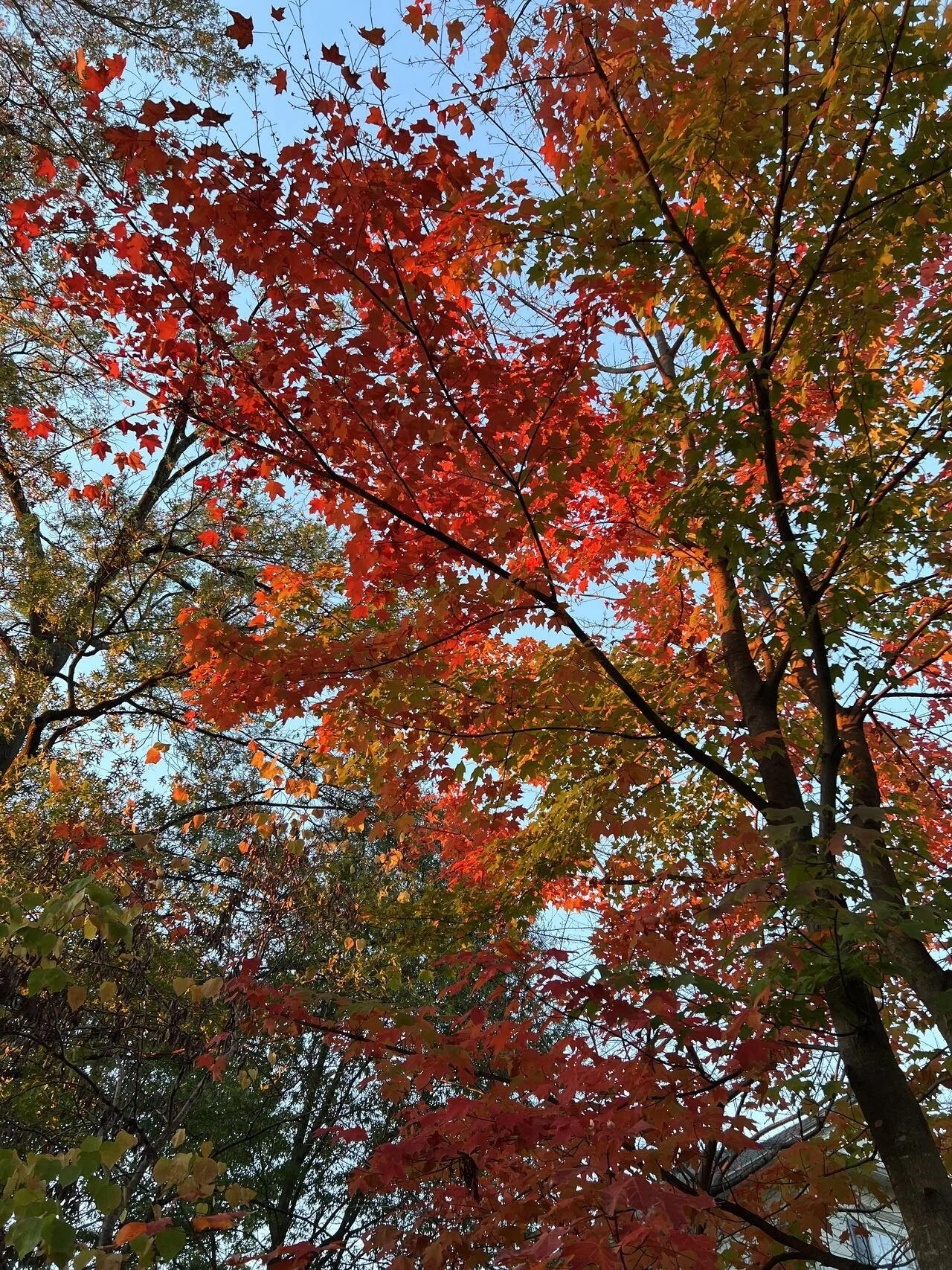
(The pictures below are from my time with trees.)